

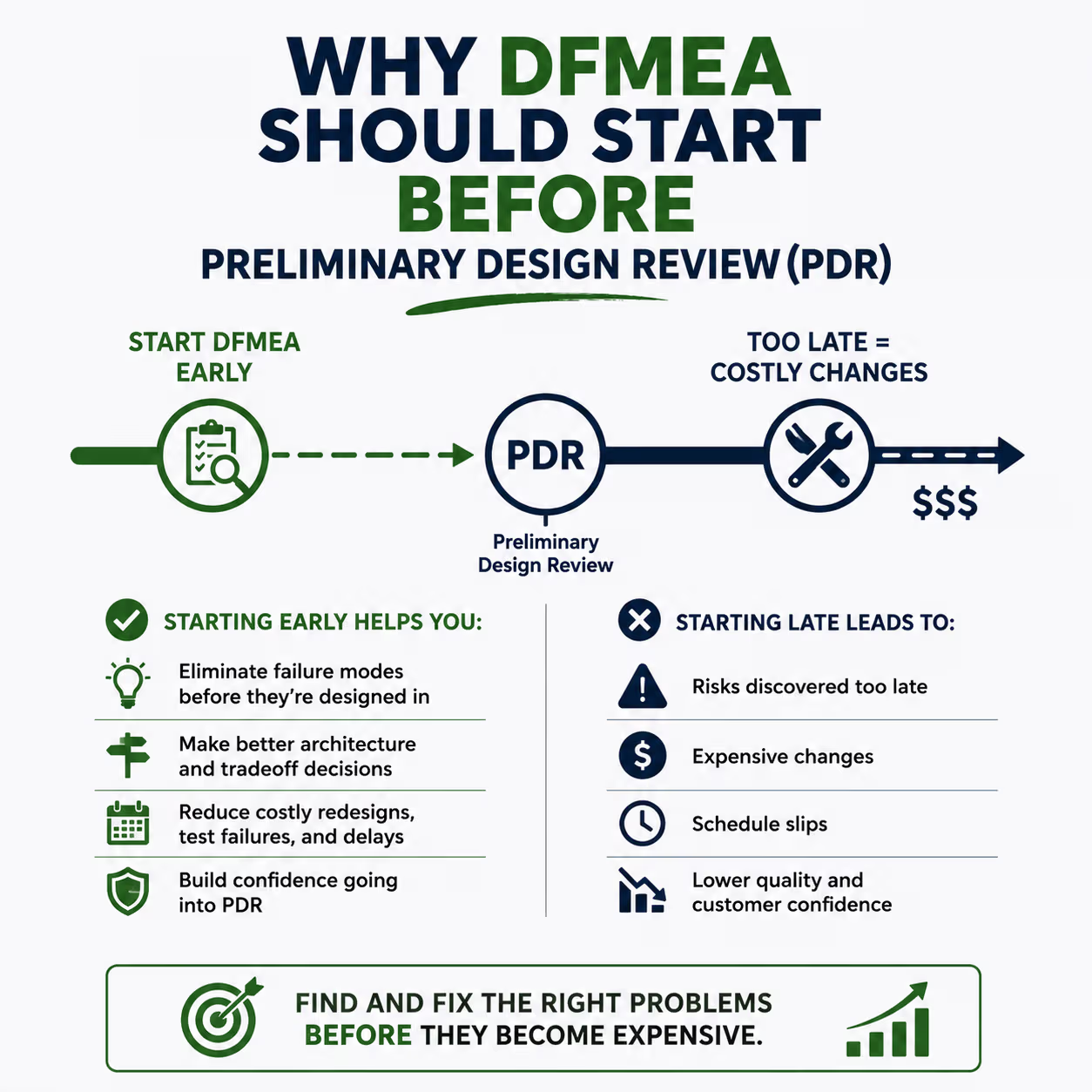
One of the most common mistakes we see in product development is treating Design Failure Mode & Effects Analysis (DFMEA) as a post-Preliminary Design Review (PDR) activity.
By that point, many of the product's most significant design decisions have already been made.
Trying to use DFMEA after PDR to influence the design is like installing smoke detectors after you've moved into a burning house.
The greatest value of DFMEA has never been documenting risks.
Its greatest value is influencing engineering decisions before those risks become embedded in the design.
When integrated early in product development, DFMEA helps engineering teams:
- Eliminate potential failure modes before they are designed into the product
- Make better architecture, interface, and design tradeoff decisions
- Improve product robustness from the beginning
- Reduce costly redesigns, qualification test failures, and schedule delays
- Increase confidence entering Preliminary Design Review instead of reacting afterward
Unfortunately, many organizations still view DFMEA as a documentation exercise rather than a strategic engineering tool.
When that happens, teams spend valuable time recording risks that could have been prevented months earlier.
Engineering assurance should not begin after a major design milestone. It should help shape the decisions that determine whether that milestone is successful.
At Fortitron, this philosophy is embedded in FERF™ (Fortitron Engineering Readiness Framework).
FERF™ integrates Technology Readiness (TRLs), Engineering Assurance, and Manufacturing Readiness into a single, continuous framework. By embedding engineering assurance throughout the product development lifecycle, FERF™ helps organizations identify technical risks earlier, strengthen engineering decisions, improve product robustness, and transition into manufacturing with greater confidence.
Preliminary Design Review should not be the point where engineering risk management begins.
It should be the point where engineering assurance demonstrates the design is ready to move forward.